Core Concepts of Slab and Foundation Systems
Differences Between Slabs and Foundations
Across rural South Africa, a sturdy concrete slab and foundation is the quiet anchor of every home. In many towns, about 60% of new builds show early settlement cracks when soil and design don’t speak to each other—proof that ground and structure must partner from the start.
Core concepts of slab and foundation systems focus on load transfer, moisture control, and soil behavior. We’ve seen slab-on-grade sit on prepared ground, while a traditional foundation anchors walls below grade. The right choice respects clay, sand, and calcrete—keeping homes steadier through wet seasons and heat.
- Slab-on-grade vs deep foundations
- Moisture management and drainage
- Reinforcement and material choices
When designed with sensitivity to local soils, the concrete slab and foundation becomes more than concrete—it holds memories of families tending the land.
Common Types of Slabs Used in Construction
Core concepts of slab and foundation systems hinge on load transfer, soil behavior, and moisture dynamics. A reliable concrete slab and foundation moves with the ground, keeping homes steady through seasonal shifts. In rural South Africa, clay pockets and calcrete demand thoughtful design.
Common types of slabs used in construction include the following:
- Slab-on-grade sits on prepared ground, practical and cost-effective.
- Raft (mat) slabs spread loads across a large foundation.
- Waffle or ribbed slabs use a ribbed grid for strength.
Choosing among these slabs isn’t just about cost; it’s about site history, rainfall patterns, and long-term performance. For South African homes, how a slab interacts with clay and calcrete and how it supports predictable load paths often determines comfort and value. The result is a resilient, quiet anchor for every room.
Foundation Varieties and Their Applications
“The ground has a memory,” a veteran engineer says, and the wall never forgives a careless foundation. In South Africa’s clay pockets and calcrete, the concrete slab and foundation dance with load transfer, soil behavior, and moisture dynamics. A well-balanced system moves with the earth, keeping homes steady through seasonal shifts.
Foundation varieties and their applications:
- Pad foundations for isolated columns in stiff soils
- Strip footings beneath load-bearing walls on clay
- Raft or mat foundations to spread heavy loads over weak ground
- Pile foundations reaching stable strata where surface soils fail
Each choice shapes how vibrations, moisture, and temperature ripple through living spaces, making site history and rainfall patterns key to comfort and value.
Key Performance Factors for Slabs and Foundations
“The ground has a memory,” a veteran engineer says, and the concrete slab and foundation must listen. In the South African context of clay pockets and calcrete, these systems balance soil behavior, moisture dynamics, and load. The result is a quiet dialogue between earth and built form, a collaboration that keeps rooms steady through seasonal shifts.
Core performance factors emerge from how the structure handles three intertwined tasks:
- Load transfer paths that respect soil stiffness and foundation type
- Moisture management and drainage to prevent capillary rise and soil swelling
- Thermal movement and joint behavior to limit cracks and misalignment
These factors shape comfort, durability, and value, echoing in concrete values rather than rhetoric, making site history and rainfall patterns part of the design’s memory.
Materials and Mix Design for Durable Slabs
Concrete Mix Components and Proportions
Rising heat and stubborn ground shape the truth about durable slabs. A well-balanced mix is the quiet hero of every concrete slab and foundation, turning crack risk into quiet confidence. In this design, we chase the right cementitious balance, sensible water content, and graded aggregates that work in harmony under South Africa’s diverse climate zones.
- Cementitious materials: Portland cement or blended types for early strength.
- Aggregates: well-graded, clean and dust-free.
- Water and ratios: clean water, target low water-cement ratio.
- Admixtures: plasticizers for workability, air-entraining agents for durability.
With proportions tuned for local conditions, the concrete slab and foundation emerges as a robust frame for performance. Proper curing, moisture protection, and timely finishing are not afterthoughts—they seal durability into every layer.
Aggregate Options and Their Impact on Strength
South Africa’s climate can turn a careless pour into a chorus of cracks; yet the right mix promises a hushed fortress. In the concrete slab and foundation, materials whisper their fate—coarse and fine balance, a patient art that keeps the ground honest and the structure serene.
Aggregate options sculpt the strength envelope of the slab. They should be well-graded, clean, and free of dust, so the core can cohere under load.
- Well-graded crushed stone for interlock and stiffness
- Rounded gravels for workability and stability
- Manufactured sands with controlled fines for density
Beyond the rock, the interplay of water and cementitious balance, and the measured use of admixtures, seals durability into every layer of the concrete slab and foundation.
Reinforcement: Rebar, Mesh, and Fiber Options
In the theatre of South Africa’s soils, the concrete slab and foundation stands not as a monument of brick and beam alone but as a quiet orchestra of reinforcement. Rebar, mesh, and fiber options enter the frame like different instruments, each adding strength where the ground tests a structure’s resolve. A well-chosen mix design harmonizes workability with durability, guiding every pour toward a serene, enduring future!
- Rebar (steel bars) for tensile strength and crack control
- Welded wire mesh for evenly distributed reinforcement
- Fiber reinforcement (steel, polypropylene, or synthetic) to impede micro-cracking and improve finish
Admixtures tune the air, set time, and finish, while a balanced water–cement ratio anchors the rest in place—an unseen pact that keeps durability steadfast through seasons and tremors.
Admixtures and Additives for Workability and Durability
That quiet orchestra beneath any structure—the concrete slab and foundation—demands more than brute force; it needs a clever balance of water, cement, and aggregate. In the South African soils, a deft mix design keeps floors calm and cracks at bay. “The right mix design is silence under pressure,” an old hand likes to say.
Admixtures and additives tune workability and durability without wrecking the chemistry. Here are the players that often steal the show:
- Superplasticizers for slump without extra water, enabling easy pumping and finishing
- Air-entraining agents to resist freeze–thaw and micro-cracking in coastal or high-traffic zones
- Mineral admixtures (fly ash, silica fume, or slag) to reduce permeability and boost long-term strength
Maintaining a prudent water–cement ratio, mindful curing, and well-graded aggregates underpin durability for the concrete slab and foundation. In practice, experienced teams lean on testing and validation to anticipate performance under real-world conditions.
Water and Curing Practices for Long-Term Performance
“The right mix design is silence under pressure,” an old hand likes to say. On South African sites, the proper balance of water, cement, and aggregate keeps the concrete slab and foundation calm through heat, drought, and shifting soils. It’s not magic; it’s thoughtful proportions that age gracefully.
Choosing materials is about resilience in real life. Here are design-oriented considerations that stay true to field demands:
- Water–cement ratio remains a deliberate design parameter, not a guess
- Air and mineral admixtures tuned to site conditions support long-term strength without sacrificing durability
- Aggregate grading and permeability align with soil and load expectations
Moisture control, curing that respects moisture and temperature, and steady finishing practices ensure lasting performance. The aim is slow strength gain and minimal cracking so a strong foundation carries families and farms for generations.
Design Principles for Foundations and Subgrade Preparation
Soil Testing, Bearing Capacity, and Settlement
Earth remembers every footprint, and a solid future rises from it. In South Africa, subgrade preparation can decide a building’s fate—experts estimate up to 30% of foundation troubles trace to moisture and compaction. A concrete slab and foundation is more than concrete; I treat it as a dialogue with the ground, a pledge of strength.
- Soil testing for moisture, density, and variability
- Defined bearing capacity targets for the load
- Meticulous subgrade prep with measured compaction
That design choreography translates into practical truth: controlling moisture, ensuring uniform compaction, and forecasting settlement. Yes—when these principles meet site realities, the result is durable, level floors across seasons and soils.
Footings, Pads, and Slab-on-Grade Design
In South Africa, the ground teaches harsh lessons fast: moisture and compaction misreads can derail a project; some studies peg foundation trouble at roughly 30%.
Design principles for foundations and subgrade prep establish the dialogue: material choices, drainage, and tolerance to moisture swings shape the building’s quiet resilience. The concrete slab and foundation must ride in harmony with soil, not fight it.
Consider these guiding ideas:
- Moisture balance and suction control across the ground
- Uniform compaction to achieve a true, flat surface
- Conservative settlement forecasts that honor seasonal and soil variability
When these ideas meet site realities, floors stay level through seasons.
Drainage, Water Management, and Waterproofing
South Africa’s ground is a stern teacher, testing slabs with seasonal thirst and sudden saturations. One study places foundation trouble near 30% when moisture and compaction misreads run unchecked. Design principles honor that dialogue between soil and structure, guiding choice, drainage, and tolerance to moisture swings. The goal is a quiet resilience that lets spaces breathe rather than fight the ground.
Effective drainage and water management are the unsung architects of longevity. Maintain suction balance across the subgrade, promote uniform compaction for a true, flat surface, and forecast conservative settlement across seasons.
- Moisture balance and suction control
- Uniform compaction for a true surface
- Seasonal settlement forecasting
Waterproofing is not an afterthought but a mantle that shields the domestic heartbeat. When the concrete slab and foundation marry the earth—vigilant drainage, membrane barriers, and detailing—floors stay level and rooms stay dry through sun and rain!
Code Requirements, Permits, and Local Variations
Foundations aren’t drama-free, but they thrive on honest numbers. In South Africa, studies pin foundation trouble near 30% when moisture and compaction misreads run unchecked. Design principles for foundations and subgrade preparation start with reality—soil strength, moisture behavior, and a plan that respects the ground’s stubborn personality. Then come code requirements, permits, and local variations, shaping every choice around the National Building Regulations and municipal by-laws. The aim is a concrete slab and foundation that behaves—quiet, level, and ready to weather sun and rain without fanfare.
- Code requirements and permit processes
- Local variations in zoning, environmental rules, and soil classifications
- Documentation, inspections, and record-keeping expectations
When design talks to the ground, the result is a structure that stands the test—concrete slab and foundation that breathe with the soil, not against it.
Basement and Crawl Space Considerations
South Africa’s soils whisper back to the builders: up to 30% of foundation trouble stems from moisture and compaction misreads. The concrete slab and foundation must breathe with the soil, not fight it, or the house learns to walk.
Design principles start with reality—soil strength, moisture behavior, and a plan that respects the ground’s stubborn personality. Basements and crawl spaces demand a humane dialogue between earth and air, where humidity, ventilation, and clearances shape how spaces feel and age.
Key considerations include:
- Moisture buffering and venting strategies for basements and crawl spaces
- Subgrade movement accommodation and robust connections to above-grade elements
- Accessible service routes and unobstructed headroom for long-term durability
With a design that speaks softly to the ground, the structure stays calm, ready to weather sun and rain.
Construction Techniques and Quality Assurance
Site Preparation, Formwork, and Alignment
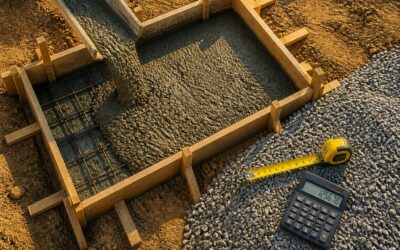
One in four structural issues trace back to flawed formwork, a reminder that how you start matters. When we handle site preparation, formwork, and alignment, we’re not just building a shape—we’re setting up the concrete slab and foundation for success. Precision here reduces rework, lowers risk, and keeps projects on track. In South Africa, this discipline matters as much as the concrete mix itself.
QA begins with clean, stable forms and exact layout. The rest is guardrails that keep edges true and corners square, ensuring the concrete slab and foundation performs as designed.
- Formwork integrity and bracing that prevent movement
- Alignment with design drawings and reference points
- Level and plumb checks across form faces
- Consistent material delivery and moisture awareness
A sound frame carries the strength through curing and finishing, with quality echoed in every pour.
Pouring Techniques, Temperature Control, and Scheduling
Pour day is the test: plans meet reality, and a concrete slab and foundation either shine or sag. In SA, a temperature swing or timing glitch can turn a perfect pour into a headache. The difference isn’t the mix alone—it’s the technique and timing that carry the project from dream to durable.
Pouring techniques pair with QA: careful placement, steady consolidation, and thoughtful vibration keep the pour honest. Temperature control governs the cure and strength, while scheduling ties crews, trucks, and weather into a coherent sequence—so the concrete slab and foundation performs as designed.
QA snapshots ride with the pour: a lean set of checks keeps records honest.
- Temperature trend tracking
- Placement integrity and coverage
- Documentation and non-conformance logs
At the end, the concrete slab and foundation stand on the balance of technique, control, and scheduling—quietly resilient and ready for the long game.
Curing Methods, Moisture Management, and Timeframes
Curative secrets hide in plain sight. In SA, where afternoon heat can swing wildly and night air lingers over damp surfaces, curing isn’t an afterthought—it’s a design parameter. The right QA approach ensures the concrete slab and foundation gains strength evenly, resisting cracking as the structure settles into its long-term rhythm. A measured patience during curing transforms a simple pour into lasting durability.
- Moisture retention and evaporation control
- Thermal stability through ambient and slab temperature management
- Timeframe alignment with project milestones
That balance—between technique, control, and time—could be the subtle difference between a milestone and a memory in concrete work. The SA market rewards slabs and foundations that endure under pressure, with curing as the quiet anchor. The heart of it remains curing as the quiet bedrock.
Inspection Checklists and Common Defects
Every pour is a promise, and a disciplined approach to construction techniques and QA inspection keeps it honest. For the concrete slab and foundation, the rhythm from formwork to finish matters as much as the pour itself. Precise alignment, careful vibration, and deliberate curing are the quiet craftsmen of long-term strength!
- Formwork alignment and edge detailing to prevent miscuts and deviations
- Reinforcement cover and spacing checks to avert corrosion and cracking
- Consolidation and surface finish criteria to avoid voids and laitance
- Moisture, temperature, and curing plan verification to lock in strength gains
Common defects that gnaw at durability include honeycombing, cold joints, shrinkage cracks, laitance, and scaling. Each tells a story — moisture sneaking through, temperature swings that tug at the surface, or insufficient compaction under the shear weight of a building’s first footsteps.
Post-Pour Finishing and Jointing
Strength is patience in motion, and in South Africa that patience finds its most honest expression in the post-pour finishing of a concrete slab and foundation. The first hours reveal the surface’s honesty and the joints’ alignment—a quiet epic that supports every footprint to follow!
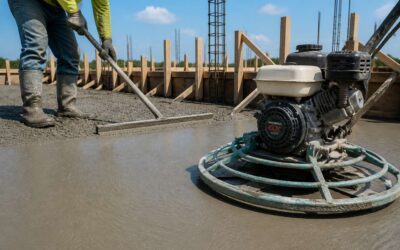
Finishing is a choreography of vibration, trowel, and texture, tempered by a smart curing plan that locks in strength while moisture yields to time. As I watch a crew glide the trowel, I feel the room inhale and settle. Proper jointing respects thermal movement and load paths, reducing future cracking and maintenance concerns.
- Surface finish quality and laitance control
- Contraction & control joints placement
- Early moisture management for consistent cure
The craft here is economical grace—visible now, durable forever, and kind to the human beings who live and work on it.


0 Comments