Foundations and Slab Basics
Types of concrete slabs and their applications
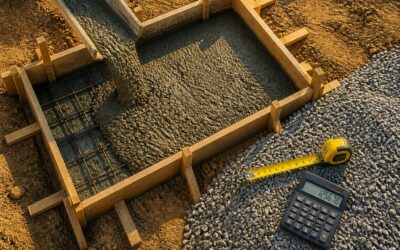
A solid foundation can make or break a concrete slab house design! In South Africa, the right slab choice tackles soil variability, moisture, and heat—holding floors true and reducing long-term repairs. “A strong slab is the spine of a home,” a veteran builder once said, and that truth still holds today.
Foundations set the load path from ground to beam. Slab-on-grade, monolithic slabs with integrated footings, and elevated or raft slabs are common options, each suited to different soils and climates.
- Slab-on-grade: simple, cost-effective, ideal for stable soils.
- Monolithic slabs with footings: one pour that combines foundation and floor, minimizing joints.
- Raised or raft slabs: elevate the living area to avoid moisture and drainage issues.
For this concrete slab house design, soil tests, drainage, and future use drive the final pick; a solid plan keeps the home durable and comfortable across SA’s climate.
Monolithic vs post-tension slab systems
A strong foundation is the quiet workhorse of any concrete slab house design. “A strong slab is the spine of a home,” a veteran builder once said, and that truth still holds. Foundations set the load path from ground to beam, so the choice between monolithic and post-tension systems shapes long-term stability, moisture control, and floor flatness—especially in SA’s variable soils and heat.
- Monolithic slabs: one continuous pour that integrates foundation and floor, reducing joints and speeding construction in stable soils.
- Post-tension slabs: a concrete slab with pretensioned cables that are tightened after casting, enabling longer spans and tighter floors with greater crack resistance.
For South Africa, drainage, soil tests, and future use drive the final pick; a solid plan keeps the home durable and comfortable across climate.
Moisture control: vapor barriers and damp-proofing
Foundations set the moisture path and thermal rhythm; in concrete slab house design, a careful moisture strategy is non-negotiable.
Vapor barriers and damp-proofing are the frontline guardians against rising ground moisture. These layers must be chosen and installed with care, aligning with soil conditions and climate in SA.
- Vapor barriers resistant to capillary rise from damp soil
- Damp-proof membranes beneath the slab to curb moisture migration
- Sealing joints and penetrations to prevent seepage
- Appropriate drainage around the foundation to keep the slab dry
In South Africa, drainage and soil tests shape the final choice—get the ground ready, and the slab stays flat and durable.
Durability and maintenance of slab foundations
Foundations are the quiet spine of any concrete slab house design, the place where ambition meets ground truth. In South Africa’s varied soils, the dance between soil and slab determines durability more than any cosmetic flourish. A proper base resists settlement, maintains levelness, and respects the rhythms of heat and damp. I watch the ground like a lector reading omens, noting every grain and moisture pulse, for the slab’s fate begins below the surface.
To honor that fate, consider these foundational considerations:
- Soil testing and appropriate footing design to match bearing capacity
- Reinforcement and joint strategy to curb movement
- Drainage concepts that steer moisture away from the slab edge
Durability is not luck; it’s the product of attention to detail and the quality of materials.
Design Aesthetics and Layout with Slab Homes
Open-plan living and circulation with slab foundations
Across South Africa, a well-honed concrete slab house design can boost daylight and flow by as much as 25%, turning a compact footprint into a generous stage for living. The open-plan core becomes a living sculpture, where furniture rises from the floor as if drawn by light and air.
Design aesthetics and layout flow from the floor up, where clean lines meet tactile warmth. Open-plan living and circulation stream through the home, the slab foundations quietly supporting the choreography.
- Expansive glass that frames landscape
- Warm materials: timber, plaster, stone
- Low-profile furnishings to preserve sightlines
- Ceiling height variations to create drama
The conversation between indoors and outdoors becomes a single room without walls, and the essence of concrete slab house design persists in every transition, giving South African homes a sense of gathered light.
Flooring selection and edge detailing on concrete slabs
In South Africa, homes that treat the floor as a living sculpture harness thermal mass to create daylight-laden depth. This approach to concrete slab house design heightens daylight and flow, anchoring furniture and light with sculptural certainty.
Flooring selection shapes rhythm and tactility. Polished concrete echoes the space, widening rooms with a soft reflectivity, while timber introduces warmth at eye level. Edge detailing—eased or chamfered slab edges, paired with careful micro-bevels—catches light and smooths transitions, preserving the room’s unbroken rhythm.
Flooring options to seal the design language include:
- Polished concrete with a satin finish for a seamless, reflective plane.
- Wide-plank timber for warmth and texture against the cool slab.
- Natural stone or stone-look tiles to add depth and character.
- Low-profile edge detailing that preserves sightlines and fluid transitions.
Single-story vs multi-level layouts using slabs
Across South Africa, daylight is treated as a living material, and the concrete slab house design uses its pulse to sculpt depth. ‘The floor is the horizon you walk,’ a local architect says, guiding both single-story and multi-level layouts toward quiet drama.
- Single-story slab homes emphasize uninterrupted sightlines and a continuous floor plane that grounds furniture and flow.
- Multi-level slab configurations carve daylight pockets and stairs that become sculptural anchors.
- Subtle edge detailing preserves sightlines and keeps a calm rhythm.
Design aesthetics hinge on proportion, material contrast, and serene circulation. In single-story slabs, open plans read as a single breathing plane; in multi-level variants, mezzanines carve upstairs moments without interrupting the slab’s discipline. I sense the house listening to daylight. This is the SA language of concrete slab house design—durable, daylight-rich, quietly monumental.
Indoor-outdoor integration: patios and courtyards
Across South Africa, daylight is treated as a living material, and the concrete slab house design uses its pulse to sculpt depth. “The floor is the horizon you walk,” says a local architect, guiding both single-story calm and multi-level drama.
Design aesthetics hinge on proportion, material contrast, and serene circulation. In slab homes, indoor-outdoor integration unfolds through patios and courtyards that become rooms without walls, catching morning breeze and evening shadow. I watch daylight sketch the edges and grin at its quiet, stubborn mood!
Here are elements that anchor indoor-outdoor harmony:
- Patio alignment with living zones to extend sightlines
- Courtyard shading that tempers heat while framing daylight pockets
- Edge detailing that preserves calm rhythms as doors slide open
Acoustic considerations in slab construction
Design Aesthetics and Layout with slab homes hinge on honest mass and quiet proportion. In South Africa’s daylight as a living material, the concrete slab house design carves space with patient gravity—light sketching edges as you move through a calm horizon of concrete.
Acoustic considerations in slab construction shape how rooms feel and how voices travel, even as spaces stay open.
- Mass and layout: the slab’s density mutes cross-room chatter while filtering street noise.
- Soft finishes: rugs, drapery, and timber screens absorb reflections without compromising the material honesty.
- Ceiling strategy: subtle voids or service cavities tame reverberation while preserving clean, uncluttered lines.
Edge detailing and sliding doors knit rooms into a disciplined, humane rhythm—where light, air, and sound meet with measured restraint!
Structural and Building Code Considerations
Local codes, permits, and approvals for slab construction
A slab beneath the floor should be more than a slab—it is a pledge to the land and to the future. For concrete slab house design in South Africa, the permits and approvals are as vital as the rebar and pour. The National Building Regulations and SANS standards shape every edge and bearing, guiding foundations, moisture control, and safety so that ambition becomes enduring home.
- Building Plan Approval from the local municipality
- Structural engineer’s design certificate and stamped drawings
- Geotechnical soil report to confirm bearing capacity
- Compliance checks for drainage, energy, and safety under the National Building Regulations
With these steps in place, the slab becomes a quiet stage for daily life, a testament to careful planning and care.
Reinforcement options: rebar, wire mesh, and post-tensioning
In South Africa, concrete slab house design does more than hold space—it anchors identity and responsibility. Structural and building code considerations guide every reinforcement choice, shaping edge detailing, load paths, and long-term durability so our ambition can endure.
In this concrete slab house design approach, we see reinforcement as a dialogue between code and craft, balancing performance, cost, and local conditions.
- Rebar (high-strength steel bars) for ductile load paths and crack control
- Wire mesh ( welded grids) for rapid distribution and surface restraint
- Post-tensioning (tendons in sleeves) to minimize thickness and deflection in larger spans
These options must harmonize with corrosion protection, inspections, and practical workmanship, ensuring the structure remains quiet and steadfast for decades!
Seismic, wind, and load considerations for slabs
Structural and Building Code considerations shape every concrete slab, turning weight into a patient, responsible partner. In South Africa, seismic, wind, and load provisions are not mere boxes to tick; they are the compass guiding edge detailing and load paths, ensuring the concrete slab house design endures beyond fashion. This dialogue between code and craft keeps performance honest and durable.
- Seismic design criteria aligned with local standards
- Wind loads on exposed edges and parapets
- Load-path continuity from slab through structure to foundations
Inspections and corrosion protection integrate with these rules, ensuring quiet strength for decades to come.
Waterproofing, drainage, and crack control strategies
“Durability begins below the surface,” a master builder likes to say. In the realm of concrete slab house design, waterproofing, drainage, and crack control shape the long game—quiet, stubborn protection that ages gracefully in South Africa’s climate.
Waterproofing matters beyond the visible: a robust vapor barrier, damp-proofing where the slab meets the ground, and appropriate surface coatings keep moisture where it belongs. Drainage design—proper grading, edge detailing, and execution of a perimeter path—steers water away, reducing hydrostatic pressure and the risk of future damage.
Crack control is not a cosmetic afterthought. Control joints, responsible curing, and movement accommodation preserve the slab’s integrity, maintaining load transfer to columns and foundations. When these elements align with local standards, the home remains resilient through weather, years, and the quiet burden of everyday life.
Energy Efficiency and Sustainability
Insulation strategies for slab-on-grade and elevated slabs
South Africa’s climate demands more than sturdy walls—crystal air and clever thermal strategy. A well-insulated slab can trim cooling loads by up to 30%, turning heat into comfort rather than a bill you dread. Consider the house a quiet guardian against the sun.
For slab-on-grade homes, focus on continuous edge insulation and a low-bridge connection to the living space. A well-sealed perimeter minimizes heat gain, while radiant floors or lightweight underfloor systems can temper temperature swings. Consider these options:
- Rigid foam perimeter insulation at the slab edge
- Under-slab insulation on the exterior face
- Thermal bridging reduction at columns with continuous insulation
- In-slab radiant cooling/floor systems where climate allows
Elevated slabs benefit from a ventilated plenum and under-floor insulation to break thermal bridges, plus intelligent shading and high-performance glazing to minimize solar gain. In practice, this approach is a cornerstone of concrete slab house design.
Thermal mass benefits of concrete and optimum placements
A concrete slab is a battery. In a concrete slab house design, heat stores in mass by day and releases at night, smoothing swings and reducing cooling loads. Mass works with insulation and shading to keep interiors calm.
Thermal mass benefits come from placement. North-facing zones absorb winter sun, while shading guards against summer heat. Exposed mass in living areas adds comfort without heavy HVAC.
- Mass aligned with sun paths to balance heat gain
- Insulation complements the mass to slow swings
- Exposed interior surfaces add tactile warmth
In South Africa, well-placed mass supports energy efficiency and sustainable design. It defines a concrete slab house design where mass, shade, and ventilation work together.
Passive design principles with slab homes
Energy costs in SA households spike each summer as the grid strains and the sun bores down. This is why passive design—air, shade, daylight—is a quiet hero. In a concrete slab house design, mass stores cool air by day and releases it at night, while well-placed shading and ventilated spaces keep interiors serene.
- Strategic alignment with sun paths and prevailing breezes
- Shading, reflective finishes, and daylighting to reduce cooling loads
- Airtight detailing with insulation to slow temperature swings
In South Africa, these principles weave with local materials and climate priorities, turning concrete into a partner for sustainability rather than a heat sink.
Sustainable materials and finishes for slab interiors
Cooling costs in SA summers weigh heavily on households, turning comfort into a scarce asset. In concrete slab house design, interior finishes can be serene and sustainable, leveraging the mass of concrete while keeping indoor air clean and surfaces timeless. The rhythm of light, shade, and texture becomes a quiet ally in energy efficiency.
Sustainable materials and finishes for slab interiors emphasize breathability, low emissions, and longevity. Natural plasters such as lime or clay regulate humidity without toxins, while coatings exploit reflective properties to reduce solar gain. Polished concrete or terrazzo with recycled aggregates offers durability and a minimalist appeal that ages gracefully.
- Low-VOC sealers and coatings
- Natural plasters: lime or clay
- Polished concrete or terrazzo with recycled aggregates
For homeowners, this approach marks the concrete slab house design as a space that feels timeless under the SA sun.
Cooling strategies: radiant floor vs traditional AC with slabs
Cooling costs in SA summers can swallow nearly half of a household’s energy budget. In a well‑designed concrete slab house design, radiant floor cooling taps the slab’s radiant mass to pull heat from living spaces, delivering steady comfort with whisper‑quiet efficiency. It distributes cool from the floor upward, a quiet tide that softens corners and avoids drafts and temperature swings common with conventional ceiling systems.
- Even, silent comfort that rises from the floor and soothes every room
- Lower energy use during heat waves when paired with proper insulation and shading
- Smart zoning to cool only occupied spaces, reducing waste
With thoughtful detailing, the concrete slab becomes more than a structure—it is a poised, timeless companion to life under the South African sun.
Cost, Construction Timeline, and Maintenance
Estimating upfront costs and long-term value of slab homes
Across rural South Africa, a well-planned concrete slab house design can trim energy bills by up to a quarter, delivering practical value for families. Upfront costs cover the foundation, site prep, moisture control, and skilled labour, while long-term value appears in durable performance and savings.
- Foundation and slab pour
- Site prep, drainage & moisture control
- Rough-ins and insulation
Construction timeline for slab homes tends to be tight—weeks more than months—especially when access is good and weather cooperates. The simplicity of a ground-level build can speed interior finishing, though curing and logistics in rural settings still shape the pace.
Maintenance stays predictable: rare cracking, periodic joint sealing, and moisture management. The solid mass reduces ongoing upkeep for interior finishes, contributing steady long-term value across South Africa’s varied climates.
Construction sequencing and timelines for slab builds
Cost for a slab-forward build in rural South Africa centers on the foundation, moisture barriers, and the crew needed to pour a flawless bed. In a carefully considered concrete slab house design, you may pay more upfront, but the payoff arrives as cooler summers, warmer winters, and fewer interior finishes to maintain. The long-run value favors resilience and predictable bills over the occasional surprise invoice!
Construction timelines tend to move briskly—weeks, not months—when access is straightforward and the weather cooperates. The ground-level footprint speeds interior finishing, while curing and logistics in rural settings keep a steady rhythm. A well-planned schedule minimizes downtime and keeps momentum intact.
Maintenance stays predictable: the solid mass reduces ongoing upkeep, with rare cracking and moisture management as the quiet backbone. Periodic seal adjustments and moisture checks appear as routine rather than emergencies, letting families enjoy the space rather than chasing repairs.
Maintenance and repair considerations over the life of the slab
A solid slab is the backbone of any concrete slab house design. Upfront costs cluster around the foundation, moisture barriers, and the crew needed to pour. The payoff arrives in cooler summers, warmer winters, and fewer interior finishes to maintain—resilience with predictable bills over time.
Construction timelines tend to move briskly when access is straightforward and weather cooperates. The ground-level footprint speeds interior finishing, while curing and logistics in rural settings keep a steady rhythm. A well-planned schedule minimizes downtime and keeps momentum intact. We plan with the site in mind.
- Site access and staging space
- Weather contingency planning
- Rural-site delivery and crew logistics
Maintenance stays predictable: the solid mass reduces upkeep, with rare cracking and moisture management as the quiet backbone. Periodic seal checks and moisture assessments are routine, letting families enjoy the space rather than chase repairs.
Market appeal and resale value of slab-based homes
Cost for a slab-based home begins with the foundation and moisture barriers, yet the long view favors lean interior finishes and lower utility bills. In concrete slab house design, that upfront investment yields steady comfort and predictable expenses—precious in SA’s volatile electricity climate.
Construction timelines tend to move briskly when access is straightforward and weather cooperates. A solid ground-level pour shortens interior finishing, and the slab’s mass helps schedule around curing windows rather than framing delays. That rhythm tightens the build window and eases handover.
- Site access and staging for pour days
- Weather contingency planning
- Rural-site delivery and crew logistics
Maintenance stays practical: the solid mass minimizes cracking and moisture trouble, while periodic seal checks safeguard interior finishes. Market appeal grows as buyers value durability and energy efficiency, and that confidence often translates into stronger resale value for slab-based homes.



0 Comments